
The Science Behind Red Light Therapy Mechanism of Action
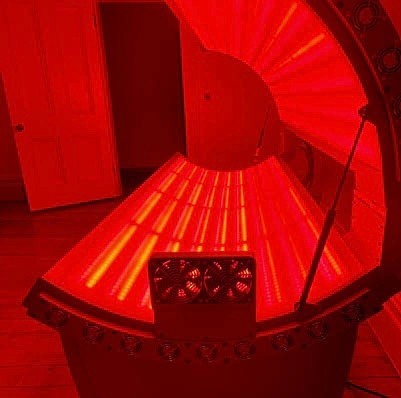
Red light therapy has gained significant attention in recent years as a non-invasive treatment option for a wide range of wellness and therapeutic applications. Originally studied by scientists for its potential effects on wound healing and tissue regeneration, red light therapy is now widely used for skin rejuvenation, pain management, muscle recovery, and overall cellular health. Despite its growing popularity, many people remain curious about how this treatment actually works. Understanding the science behind red light therapy and its mechanism of action helps explain why this technology has become an important tool in modern health and wellness practices. By delivering specific wavelengths of light to the body, red light therapy stimulates biological processes that enhance cellular performance and support natural healing functions. Understanding the Red Light Therapy Mechanism Of Action can help individuals appreciate how specific wavelengths of light stimulate cellular energy production, reduce inflammation, and support the body’s natural healing processes.
Understanding Red Light Therapy
Red light therapy, also known as photobiomodulation, involves exposing the body to low levels of red and near-infrared light. Unlike ultraviolet radiation, which can damage cells and contribute to skin aging, red and near-infrared wavelengths are considered safe and beneficial when used appropriately. These wavelengths typically range from 600 to 900 nanometers and possess the ability to penetrate the skin and reach deeper tissues. Once absorbed, the light energy interacts with cellular structures and initiates a series of biochemical reactions that contribute to improved tissue function. This process does not involve heat or invasive procedures, making it an attractive option for individuals seeking natural ways to support recovery and wellness.
Cellular Interaction and Mitochondrial Activation
The primary mechanism behind red light therapy involves the mitochondria, often referred to as the powerhouses of the cell. Mitochondria are responsible for producing adenosine triphosphate, or ATP, which serves as the main source of energy for cellular activities. When red or near-infrared light reaches the cells, it is absorbed by a molecule called cytochrome c oxidase, which is a component of the mitochondrial respiratory chain. This interaction enhances mitochondrial efficiency and increases ATP production. As cells receive more energy, they become better equipped to repair damage, perform normal metabolic functions, and maintain optimal health. Enhanced energy production is one of the key reasons red light therapy has been associated with accelerated healing and improved tissue regeneration.

Reduction of Oxidative Stress and Inflammation
Inflammation and oxidative stress are underlying factors in many chronic conditions and age-related issues. Red light therapy has been shown to influence the production of reactive oxygen species and stimulate antioxidant defenses within the body. By improving mitochondrial function and promoting cellular balance, red light therapy helps reduce excessive oxidative stress that can damage tissues over time. Additionally, the therapy influences inflammatory pathways and may decrease the release of certain pro-inflammatory molecules. This reduction in inflammation contributes to pain relief, faster recovery from injuries, and improved overall tissue health. Many athletes and individuals with joint discomfort utilize red light therapy because of its ability to support the body’s natural anti-inflammatory mechanisms.
Enhancement of Blood Circulation and Tissue Repair
Another important aspect of red light therapy’s mechanism of action is its effect on blood circulation. Exposure to therapeutic wavelengths promotes the release of nitric oxide, a molecule that helps relax blood vessels and improve blood flow. Enhanced circulation allows oxygen and nutrients to reach tissues more efficiently while also supporting the removal of waste products and toxins. Improved blood flow contributes to faster healing, reduced muscle fatigue, and enhanced tissue regeneration. This process is particularly beneficial for individuals recovering from physical injuries, surgeries, or strenuous exercise. Increased circulation also supports healthy skin by delivering nutrients necessary for collagen synthesis and cellular renewal.
Stimulation of Collagen Production
Collagen is one of the most abundant proteins in the human body and plays a crucial role in maintaining skin elasticity, structure, and strength. As people age, collagen production naturally declines, leading to wrinkles, fine lines, and reduced skin firmness. Red light therapy stimulates fibroblasts, the cells responsible for producing collagen and elastin. Enhanced collagen production contributes to smoother skin, improved texture, and a more youthful appearance. This mechanism explains why red light therapy has become increasingly popular in cosmetic and dermatological treatments aimed at reducing signs of aging and promoting healthier skin.
Effects on Muscle Recovery and Pain Management
The ability of red light therapy to support muscle recovery is closely linked to its impact on cellular energy production, inflammation reduction, and circulation enhancement. Increased ATP availability provides muscles with the energy needed for repair after physical activity, while reduced inflammation helps alleviate soreness and discomfort. Improved blood flow further assists in delivering nutrients necessary for tissue recovery. Research has indicated that red light therapy may help decrease muscle fatigue and support faster recovery times in athletes and physically active individuals. Its role in pain management has also made it valuable for addressing conditions involving joints, muscles, and connective tissues.
Conclusion
The science behind red light therapy centers on its ability to influence cellular function through the process of photobiomodulation. By stimulating mitochondrial activity, increasing ATP production, reducing oxidative stress, improving circulation, and promoting tissue repair, red light therapy supports a wide range of biological processes that contribute to health and recovery. Its non-invasive nature and growing body of scientific evidence have made it a valuable option for individuals seeking natural approaches to skin health, pain relief, muscle recovery, and overall wellness. As research continues to expand, red light therapy is expected to play an increasingly important role in modern therapeutic and preventive healthcare strategies.
About The Author