
What’s Driving the Renewed Focus on Carpet Hygiene Across US Households
Carpet Hygiene as a Quiet Domestic Priority
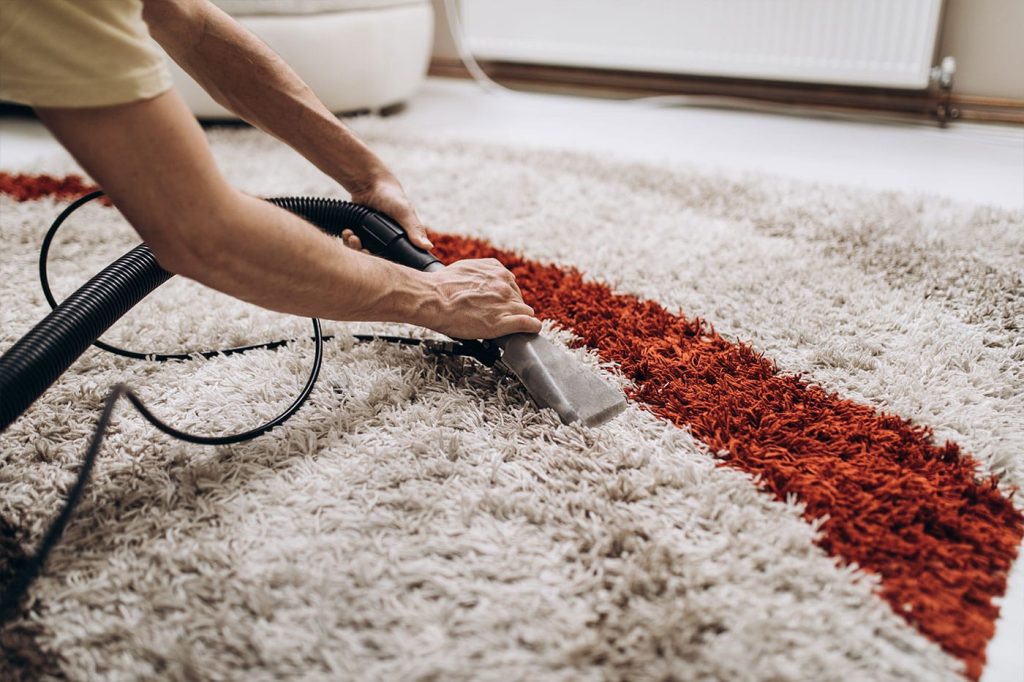
Across American households, carpet hygiene has emerged as a subject of renewed scrutiny, not through dramatic campaigns or sweeping mandates, but through a gradual recalibration of domestic priorities. Carpets, once treated as passive furnishings that merely required occasional vacuuming, are now understood as active participants in the indoor environment. This shift reflects a broader cultural movement toward intentional living, where household elements are evaluated not only for comfort and appearance but also for their impact on health and longevity. The renewed focus is not reactionary. It is contemplative, shaped by evolving lifestyles, heightened environmental awareness, and a more discerning public that recognizes the cumulative effects of overlooked details. Carpeted floors occupy expansive surface areas in homes across the United States, quietly absorbing daily life. Foot traffic, airborne particles, spills, and pet activity all leave residues that accumulate over time. As households reassess how these accumulations influence daily living, carpet hygiene has transitioned from a perfunctory chore into a deliberate practice that signals care, prudence, and domestic stewardship.
Health Awareness and the Invisible Ecosystem Beneath Footfall
A significant driver behind the intensified attention to carpet hygiene is the growing awareness of what resides beneath the surface. Carpets function as reservoirs for microscopic debris that escapes casual notice, including pollen, dust mites, skin cells, and assorted particulates that circulate through indoor air. As public understanding of indoor air quality expands, carpets are no longer viewed as inert textiles but as complex ecosystems capable of influencing respiratory comfort and overall wellness. This awareness has been amplified by widespread access to scientific information that demystifies how allergens persist and proliferate within fibrous materials. For many households, particularly those with children or aging family members, the realization that carpets can harbor irritants has prompted a reassessment of cleaning frequency and methods. Hygiene, in this context, transcends mere cleanliness. It becomes an act of prevention, reducing cumulative exposure to substances that may subtly undermine comfort over time. The renewed focus reflects a preference for foresight rather than remediation, where maintaining carpets is aligned with sustaining a healthier domestic environment.
Lifestyle Shifts, Occupancy Patterns, and Intensified Carpet Usage
Changes in how American households use their living spaces have also played a pivotal role in elevating carpet hygiene. Homes have become multifunctional environments that accommodate work, education, recreation, and rest within the same walls. This convergence of activities has intensified the daily demands placed on carpets, particularly in high traffic areas that were once lightly used. Prolonged occupancy increases the rate at which contaminants are introduced and embedded, making infrequent maintenance insufficient. Additionally, multi generational living arrangements have gained prominence, bringing together varied routines, mobility patterns, and hygiene expectations under one roof. Carpets bear the imprint of these complexities, absorbing the residue of diverse lifestyles. As households spend more time indoors, sensory awareness sharpens. Odors linger longer. Textural changes become noticeable. These subtle cues reinforce the perception that carpet hygiene is integral to maintaining a livable atmosphere. The renewed focus is therefore a practical response to intensified usage, shaped by the evolving rhythms of domestic life rather than abstract ideals.
Technological Progress in Cleaning Methods and Consumer Accessibility
Advancements in carpet cleaning technology have significantly lowered the threshold for effective hygiene, contributing to its renewed prominence. Modern equipment and solutions offer deeper extraction, faster drying times, and gentler treatment of fibers, dispelling the notion that thorough carpet care is disruptive or impractical. For households, this accessibility reframes hygiene as an attainable standard rather than an occasional indulgence. Innovations in cleaning formulations emphasize residue free results and reduced chemical harshness, aligning with contemporary preferences for efficiency and discretion. Professional services have also adapted, presenting carpet hygiene as a routine component of home maintenance rather than a corrective measure reserved for visible deterioration. This evolution in perception matters. When tools and services are designed to integrate seamlessly into household schedules, they encourage consistency. Consistency, in turn, sustains hygiene at a level that preserves both comfort and material integrity. The renewed focus is thus supported by a practical infrastructure that empowers households to act on their heightened awareness without undue inconvenience.
Aesthetic Standards, Home Investment, and the Psychology of Cleanliness
Beyond health and practicality, aesthetic considerations exert a powerful influence on the emphasis placed on carpet hygiene. Carpets occupy a visual and tactile prominence within interiors, shaping first impressions and daily experiences alike. Stains, matting, and discoloration subtly erode the perceived quality of a space, even when other elements are meticulously maintained. As American households increasingly view their homes as long term investments, preserving the condition of carpets becomes synonymous with protecting overall property value. Hygiene intersects with psychology here. Clean carpets contribute to a sense of order and composure that extends beyond visual appeal. They affect how a space feels underfoot, how it smells, and how it supports relaxation. This sensory coherence reinforces emotional well being, making hygiene an experiential benefit rather than a purely functional one. The renewed focus reflects an understanding that cleanliness communicates care, both to occupants and to visitors, and that carpets play a disproportionate role in conveying this message.
Environmental and Material Considerations Shaping Modern Carpet Care
Environmental consciousness has also informed contemporary attitudes toward carpet hygiene, adding another dimension to its renewed importance. Modern carpets often incorporate advanced fibers designed for durability and resilience, but these materials require informed care to realize their full lifespan. Neglect accelerates degradation, leading to premature replacement and increased material waste. Households attentive to sustainability recognize that consistent hygiene extends usability, aligning maintenance practices with broader ecological values. Additionally, the growing availability of environmentally considerate cleaning solutions has alleviated concerns about the ecological footprint of carpet care. This alignment between hygiene and sustainability reframes cleaning as a responsible act rather than a resource intensive burden. By maintaining carpets effectively, households reduce the need for frequent replacement and minimize cumulative environmental impact. The renewed focus is therefore not solely about immediate comfort or appearance. It reflects a more expansive view of responsibility, where domestic choices are evaluated for their long term consequences on both household economics and environmental stewardship.
About The Author